If you want to add security to your SpringBoot project and don’t know how… then continue reading this article. Here we will go step by step on how to add security to SpringBoot Project. And it can be done as quickly as 5 minutes. In addition to security, this will also add a smooth-looking Login Page automatically in your project. Therefore, you won’t even have to worry about how to authorize users either. Let’s get started.
Table of Content
- Adding Dependencies
- Creating SecurityConfigurer Class for Intercepting all Incoming HTTP Calls
- Creating MyUserDetailService Class for Matching Security Credentials
STEP 1:Adding Dependencies
In the first place, to add security to your SpringBoot project, you need to add the following dependencies in the POM.xml file of your project.
org.springframework.boot
spring-boot-starter-security
org.springframework.boot
spring-boot-starter-web
STEP 2: Intercepting All Incoming HTTP Calls
Now we need to create a class called “SecurityConfigurer.java” which will extend from an interface called “WebSecurityConfigurereAdapter”. And then adding “@EnableWebSecurity” annotation to this class. With this annotation, you are allowing this class to intercept incoming HTTP calls and checking if it’s authorized or not. Just add the following code in the class:
import com.example.java_crud_api_mysql.service.MyUserDetailService;
import org.springframework.beans.factory.annotation.Autowired;
import org.springframework.context.annotation.Bean;
import org.springframework.context.annotation.Configuration;
import org.springframework.security.config.annotation.authentication.builders.AuthenticationManagerBuilder;
import org.springframework.security.config.annotation.web.configuration.EnableWebSecurity;
import org.springframework.security.config.annotation.web.configuration.WebSecurityConfigurerAdapter;
import org.springframework.security.crypto.password.NoOpPasswordEncoder;
import org.springframework.security.crypto.password.PasswordEncoder;
@Configuration
@EnableWebSecurity
public class SecurityConfigurer extends WebSecurityConfigurerAdapter {
@Autowired
public MyUserDetailService myUserDetailService;
@Override
protected void configure(AuthenticationManagerBuilder auth) throws Exception {
auth.userDetailsService(myUserDetailService);
}
@Bean
public PasswordEncoder passwordEncoder() {
return NoOpPasswordEncoder.getInstance();
}
}
STEP 3: Matching Security Credentials
Lastly, we need to create a service class called “MyUserDetailService” which will extend from “UserDetailsService”. This UserDetailService comes from ‘WebSecurityConfigurereAdapter’ class. Simply copy the below code into this class.
import org.springframework.security.core.userdetails.User;
import org.springframework.security.core.userdetails.UserDetails;
import org.springframework.security.core.userdetails.UserDetailsService;
import org.springframework.security.core.userdetails.UsernameNotFoundException;
import org.springframework.stereotype.Service;
import java.util.ArrayList;
@Service
public class MyUserDetailService implements UserDetailsService {
@Override
public UserDetails loadUserByUsername(String username) throws UsernameNotFoundException{
// USE LOGIC TO FETCH THE CORRECT CREDENTIALS
return new User("john", "doe", new ArrayList<>());
}
}
Alright so what happens here is, when the user enters login credentials, it will be directed to this class. It will then be matched with the correct credentials, which I’ve hard-coded here for this article. Username: “john” and password: “doe” are the actual credentials. They are not the ones that the user entered. So, you can fetch the correct password from either your database or other secure sources.
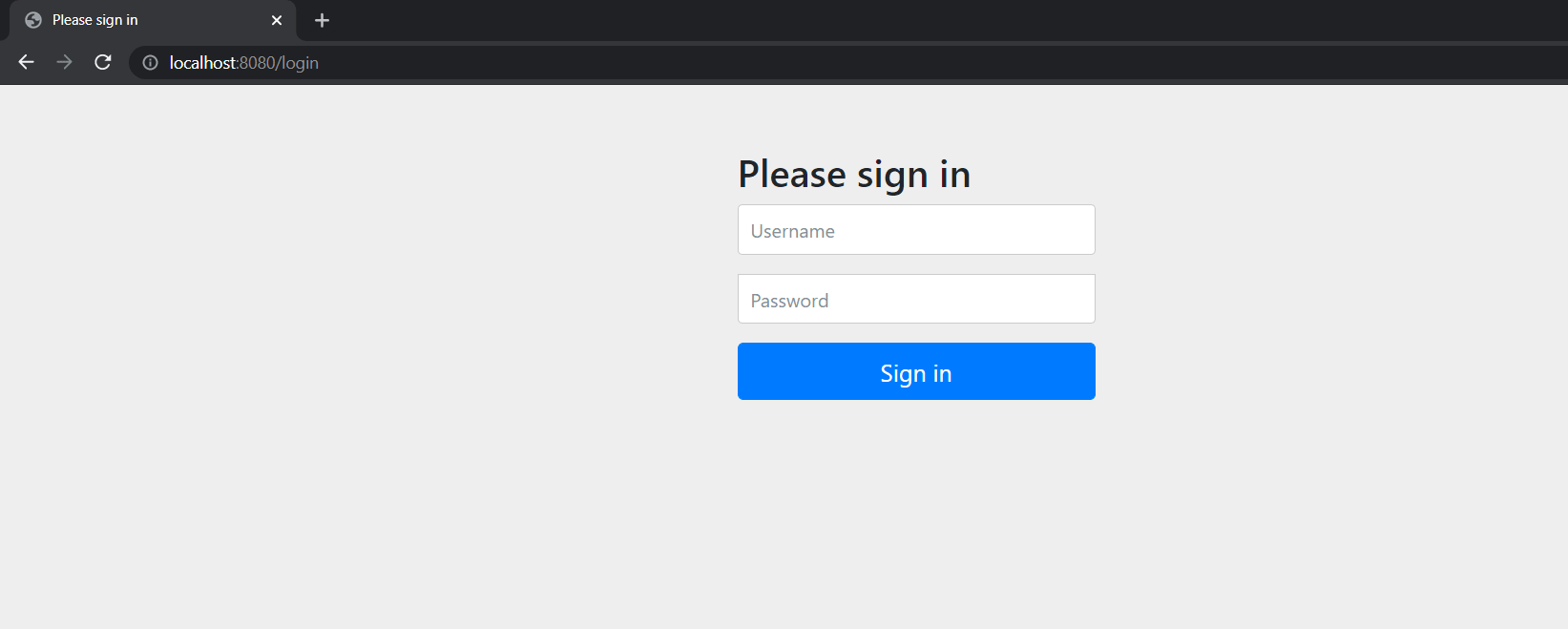
And that’s all there is to it. Let’s run the service see the frontend on the browser. Whichever path you choose, it will be intercepted, and this login page would be shown to you first for authentication.
That’s a wrap!
I hope this article was helpful in explaining how to add security to SpringBoot project. Hope this gives you enough confidence to try it in your next or even the current project. Please like and share this article with others.

Have a great one!
Recent Posts
- Fortune Favors the Bold – Can You Lead Your Clucky Companion Down the Chicken Road & Cash Out Before
- Verfrissend Gokken met nieuwe online casino zonder cruks – Een Nieuwe Ervaring
- Elevate Your Play Find the best australian online casino Experiences with Lucrative Bonuses & Secure
- Lopebet’s Multi-Bet Options: How and When to Use Them
- Kaszinó játékok és a szerencsejáték-ipar gazdasága
Recent Comments
Archives
- May 2026
- October 2025
- August 2025
- June 2025
- October 2024
- September 2024
- August 2024
- June 2023
- May 2023
- March 2023
- December 2022
- November 2022
- October 2022
- September 2022
- August 2022
- July 2022
- June 2022
- May 2022
- April 2022
- February 2022
- January 2022
- December 2021
- November 2021
- October 2021
- September 2021
- August 2021
- July 2021
Categories
- Angular
- AWS
- Backend Development
- Big Data
- Casino
- Cloud
- Database
- Deployment
- DevOps
- Docker
- Frontend Development
- GitHub
- Google Cloud Platform
- Installations
- Java
- JavaScript
- Linux
- MySQL
- Networking
- NodeJS
- Online casino
- Operating System
- Post
- Python
- Python Flask
- Report
- Security
- Server
- SpringBoot
- Subdomain
- TypeScript
- Uncategorized
- VSCode
- Webhosting
- WordPress
Search
Recent Post
Fortune Favors the Bold – Can You
- 15 May, 2026
- 6 min read
Verfrissend Gokken met nieuwe online casino zonder
- 14 May, 2026
- 6 min read
Elevate Your Play Find the best australian
- 13 May, 2026
- 8 min read