
Understanding the Basics of Poker
To develop successful poker strategies, it’s essential to grasp the fundamental principles of the game. Poker is not merely about luck; it’s a combination of skill, psychology, and mathematics. Players must understand the ranking of hands, the betting structure, and the importance of position at the table. Knowing when to play aggressively or conservatively can significantly impact a player’s success, especially when considering options for fast casino withdrawal after a big win. Each decision can alter the course of the game, making it crucial to have a solid grasp of the basics.
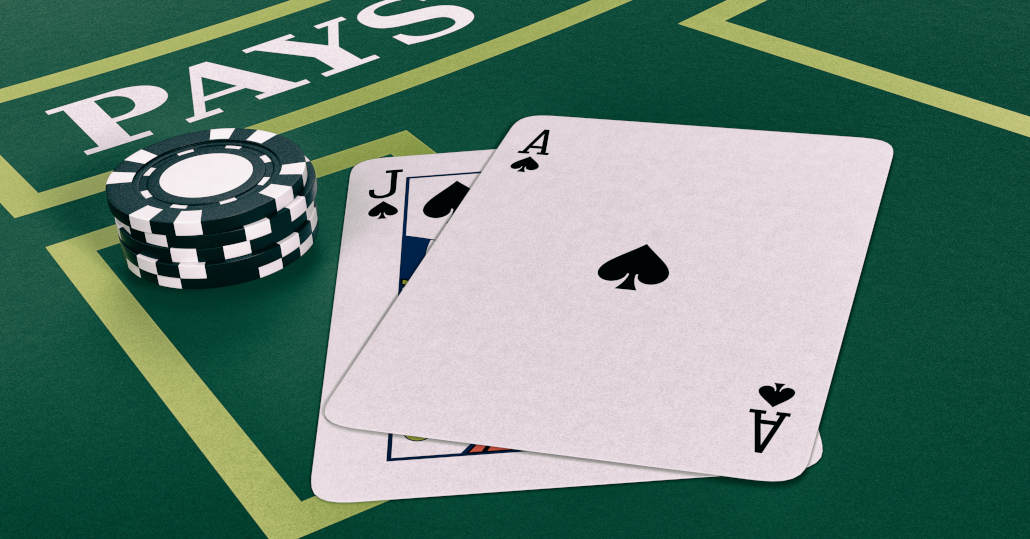
In poker, the value of your hand is determined by the combination of cards you hold and the community cards laid down on the table. Understanding these dynamics is paramount. A player with a weak hand should know when to fold, while those with stronger hands must recognize opportunities to raise or bluff. Familiarity with the rules allows players to focus on refining their strategies rather than being bogged down by the mechanics of the game.
Additionally, players should familiarize themselves with the various types of poker games available, such as Texas Hold’em and Omaha. Each variant has its nuances, including different betting strategies and hand rankings. By mastering the specifics of these games, players can tailor their strategies for each format, paving the way for sustained success across different poker environments.
Reading Your Opponents
One of the most crucial skills in poker is the ability to read your opponents. This skill involves observing their behavior, betting patterns, and general demeanor during play. Experienced players can often detect tells—subtle signs that indicate whether an opponent is bluffing or holding a strong hand. By carefully watching how players react under pressure, one can gain valuable insights that can inform betting decisions.
Psychological aspects play a significant role in poker. A player who appears nervous when they have a weak hand may give away more than they intend. Conversely, a player who is overly confident may be trying to bluff. Recognizing these nuances can help in making informed decisions, allowing players to exploit their opponents’ weaknesses while concealing their own. Effective observation not only enhances your strategy but also builds confidence as you learn to anticipate your opponents’ moves.
Moreover, adapting your style of play in response to your opponents can lead to a more effective strategy. If you identify that a player frequently bluffs, you might choose to call their bets more often. On the other hand, if you identify a player who plays too conservatively, you can capitalize on that by placing aggressive bets. Tailoring your approach based on your observations is a hallmark of successful poker strategy.
Mastering Probability and Odds
Another essential component of successful poker strategies is a firm grasp of probability and odds. Understanding the mathematics behind poker can provide a competitive edge. Players should be able to calculate pot odds, which compare the current size of the pot to the cost of a contemplated call. This knowledge helps players determine whether a bet is worth making based on the likelihood of completing their hand.
For example, if the pot is large relative to the cost of calling a bet, it may justify a riskier play. Conversely, if the odds are not in your favor, it might be prudent to fold, preserving your chips for a more favorable situation. Players who can quickly assess these situations during a hand are often the ones who emerge victorious in the long run, as they make decisions that align with the underlying probabilities.
Additionally, understanding implied odds—the potential future earnings from a winning hand—can influence decision-making considerably. These odds take into account future betting, and players who factor this into their strategy can maximize their long-term profitability. Savvy players continuously refine their mathematical skills to ensure they make informed choices to enhance their odds of winning.
Developing a Personal Strategy
Creating a successful poker strategy involves a mix of predefined approaches and adaptability. While it’s essential to have a structured plan, poker is a dynamic game that often requires players to deviate from their established strategies based on the evolving circumstances at the table. Players should regularly evaluate their performances, identifying what worked and what didn’t, and adjust their approaches accordingly.
A well-rounded strategy typically includes elements of aggression and patience. Knowing when to apply pressure through raises and bluffs is just as vital as recognizing when to wait for a stronger hand. Players should also consider their bankroll management as a core component of their strategy, ensuring they do not overextend themselves financially regardless of their current success or failures.
Moreover, it’s often beneficial to study and analyze games played by expert players. Understanding the strategies employed by successful professionals can help sharpen one’s gameplay. Engaging in discussions about hand histories with other players can provide new perspectives and insights that refine personal strategies. Always being a student of the game is vital for continual improvement and success.
Exploring Resources for Improvement
To enhance poker skills and strategies, numerous resources are available for players looking to elevate their game. Various books, articles, and online forums offer insights from seasoned players, covering everything from advanced strategies to psychological techniques for improving gameplay. Whether diving into classic poker literature or exploring modern digital resources, dedicated players can find a wealth of information to guide their journey.
Online courses and tutorials have also gained popularity, providing accessible learning for players of all skill levels. These platforms often include practical exercises, simulations, and expert analyses that can help players understand complex concepts. The interactive nature of these resources makes them particularly effective for grasping difficult strategies and enhancing practical applications.
Furthermore, participating in poker communities, both online and offline, allows players to share experiences and strategies. Discussing hands and tactics with other players helps to foster a deeper understanding of different styles and approaches. By engaging with a community of like-minded individuals, players can gather valuable feedback that can lead to significant improvements in their game.